
Mastering the 4x4 Cube A Step-by-Step Guide to Solving It

Updated: Mar 24
Solving a 4x4 cube can seem intimidating at first. Unlike the classic 3x3 cube, the 4x4 adds complexity with more pieces and unique challenges. Yet, with the right approach and clear steps, anyone can learn to solve it. This guide breaks down the process into manageable parts, helping you build confidence and skill as you go.

Understanding the 4x4 Cube Structure
Before diving into solving, it helps to understand what makes the 4x4 cube different:
More pieces: The 4x4 has 24 edge pieces, 24 center pieces, and 8 corner pieces.
No fixed centers: Unlike the 3x3 cube, the center pieces on the 4x4 can move, so you must solve the centers first.
Parity errors: The 4x4 can have situations that don’t occur on the 3x3, called parity errors, which require special algorithms to fix.
Knowing these differences prepares you for the steps ahead.
Step 1. Solve the Center Pieces
The first goal is to arrange the 24 center pieces into six solid colors, one on each face. This step sets the foundation for the rest of the solve.
Pick one color to start with, usually white.
Find and group the four center pieces of that color on one face.
Repeat for the opposite color (usually yellow).
Then solve the remaining four centers, keeping in mind the color layout of a standard cube.
Take your time here. Aligning centers correctly is crucial because the 4x4 cube’s centers can move independently.
Step 2. Pair the Edge Pieces
Next, pair the 24 edge pieces into 12 matching pairs. Each pair acts like a single edge on a 3x3 cube.
Look for two edge pieces with the same colors.
Use slice moves to bring them together without disturbing the solved centers.
Repeat until all edges are paired.
This step requires patience and practice. Efficient pairing reduces the number of moves and speeds up solving.

Step 3. Solve Like a 3x3 Cube
Once centers and edges are ready, treat the 4x4 cube like a 3x3:
Use your favorite 3x3 solving method (CFOP, Roux, or beginner’s method).
Solve the cube layer by layer or by blocks, depending on your preference.
This step feels familiar if you already know how to solve a 3x3 cube. The main difference is that the 4x4 now behaves like a 3x3 with larger pieces.
Step 4. Fix Parity Errors
Sometimes, after solving the cube like a 3x3, you encounter parity errors. These happen because the 4x4 has an even number of pieces per edge and center, which can cause impossible situations on a 3x3.
Two common parity errors are:
Edge parity: One edge pair is flipped incorrectly.
OLL parity: One last layer edge is flipped or oriented wrongly.
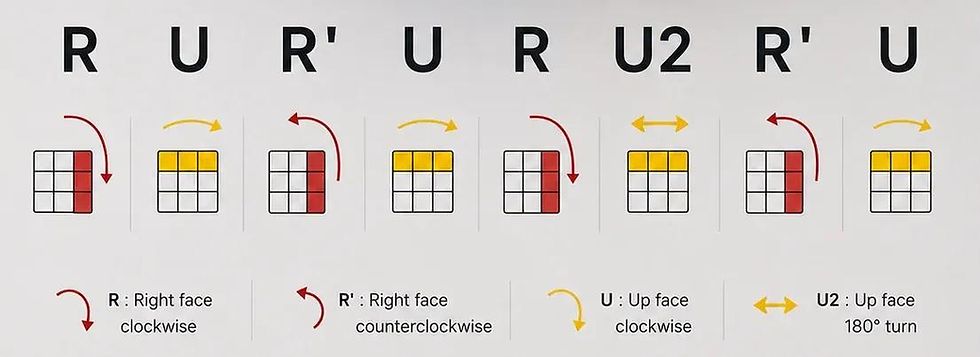
To fix these, you need specific algorithms. Here is a simple example for edge parity:
```
r2 B2 U2 l U2 r' U2 r U2 F2 r F2 l' B2 r2
```
Practice these algorithms slowly until you can perform them smoothly.
Tips for Efficient Solving
Practice centers and edges separately: Master each step before combining them.
Use finger tricks: Smooth turns and finger tricks speed up your solving.
Learn algorithms gradually: Start with the basics, then add parity fixes.
Stay patient: The 4x4 cube is more complex but rewarding once solved.


Comments