
Unlocking the Hidden Benefits of Teaching Kids to Solve the Rubik's Cube

Updated: Mar 24
The Rubik's Cube is more than just a colorful puzzle toy. For kids, learning to solve it opens doors to a range of skills and benefits that extend far beyond playtime. This classic cube challenges young minds, encouraging problem-solving, patience, and creativity. Understanding these benefits can inspire parents and educators to introduce the Rubik's Cube as a valuable learning tool.

Developing Problem-Solving Skills
Solving the Rubik's Cube requires logical thinking and strategic planning. Kids learn to break down a complex problem into smaller, manageable steps. This process teaches them how to:
Analyze patterns and sequences
Predict outcomes of moves
Adjust strategies when faced with obstacles
For example, a child might start by solving one side of the cube and then figure out how to align the other sides without disrupting the first. This trial-and-error approach builds resilience and sharpens critical thinking.
Improving Memory and Concentration
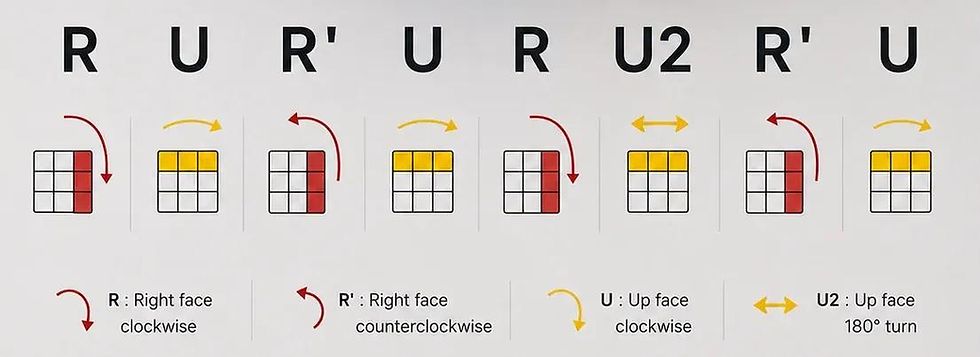
The Rubik's Cube demands focus and memorization. Kids often memorize algorithms—specific sequences of moves—to solve the puzzle efficiently. This practice enhances both short-term and long-term memory. Concentrating on the cube also helps improve attention span, which benefits academic performance.
Research shows that activities requiring memorization and focus can boost cognitive function. By regularly practicing the cube, children train their brains to retain information and stay attentive for longer periods.
Encouraging Patience and Persistence
Learning to solve the Rubik's Cube is not an instant achievement. It takes time, practice, and patience. Kids quickly discover that rushing leads to mistakes, while steady, thoughtful effort produces results. This experience teaches them the value of persistence.
Parents often notice that children who stick with the cube develop a stronger ability to handle frustration and setbacks. These emotional skills are essential for success in school and life.

Boosting Fine Motor Skills and Hand-Eye Coordination
Manipulating the cube requires precise finger movements and coordination between the eyes and hands. This activity helps kids develop fine motor skills, which are important for writing, drawing, and other daily tasks.
The repetitive twisting and turning of the cube also improve dexterity. Over time, children become faster and more accurate, which can translate into better performance in sports and other physical activities.
Fostering Creativity and Confidence
While the Rubik's Cube has a set solution, kids often explore different methods and shortcuts. This experimentation encourages creative thinking. They learn to approach problems from various angles and develop their own unique strategies.
Successfully solving the cube boosts self-confidence. Kids feel a sense of accomplishment that motivates them to tackle other challenges. This positive reinforcement builds a growth mindset, where effort and learning are valued over perfection.
Practical Tips for Introducing the Rubik's Cube to Kids
To help children enjoy and benefit from the Rubik's Cube, consider these tips:
Start with a simplified version, like a 2x2 cube, before moving to the classic 3x3.
Use online tutorials or apps designed for beginners.
Encourage practice in short, regular sessions to avoid frustration.
Celebrate small milestones to keep motivation high.
Join local or online cubing communities for support and inspiration.
By making the learning process fun and supportive, kids are more likely to stick with it and reap the benefits.
Final Thoughts on Teaching Kids the Rubik's Cube
Teaching kids to solve the Rubik's Cube offers more than just a fun pastime. It builds essential skills such as problem-solving, memory, patience, and coordination. These abilities support academic success and personal growth. Introducing the cube as a learning tool can spark curiosity and confidence in children, helping them face challenges with a positive attitude.


Comments